
Understanding your skin type can help you choose products that support your skin’s unique needs. While genetics play a role, it is important to note that other factors can influence how your skin behaves over time1. Knowing your skin type also makes it easier to adjust your routine seasonally to help maintain your skin’s appearance year-round. Read below to learn the characteristics of each skin type and how to build a routine that works for you.
What are the five different skin types?
According to the American Academy of Dermatology, there are five main skin types2:
- Normal
- Dry
- Oily
- Combination
- And sensitive skin.
Read below for more information about each type of skin.
Normal skin
Normal skin is generally well-balanced, meaning it is neither too oily nor too dry. This skin type typically produces a manageable amount of oil that allows it to stay moisturized without being considered oily nor excessively dry3.
Dry skin
Dry skin occurs when your skin produces less sebum than normal skin. Sebum is an oily substance produced by the skin’s sebaceous glands that helps skin stay moisturized1. A lack of this can result in your skin becoming dry, which may then lead to skin looking dull, feeling tight, rough, or itchy from dryness4.
Oily skin
Oily skin is caused by an overproduction of sebum. In contrast with dry skin where there isn’t enough sebum and normal skin where the skin’s oil production is balanced, the excess sebum produced by oily skin can make skin appear shiny and can contribute to clogged pores1. The amount of oil in the skin can also vary depending on the time of year5.
Combination skin
Combination skin includes characteristics of more than one skin type1. Skin may feel dry or normal in some areas and more oily in others, such as the T-zone (nose, forehead, and chin). Because of this, different areas may benefit from different skincare approaches1.
Sensitive skin
Sensitive skin refers to skin that experiences negative reactions to things that normal skin doesn’t react to6. This may include things like scented laundry detergents, soaps, certain skincare products, fabrics, temperature extremes, and even stress7.
Learn more about each specific skin type in the sections below.
Normal skin
Normal skin is considered well-balanced and people with a normal skin type typically don’t experience many problems with their skin. While normal skin is considered lower maintenance and balanced, it’s important to remember that skin can fluctuate and normal skin may occasionally experience times of dryness, oiliness, or sensitivity8.
How to identify normal skin
If your skin is normal, you will have:
- Medium-sized pores that aren’t overly noticeable3
- A smooth skin texture
- A clear complexion
- Even skin tone
- Minimal oiliness3
- Lack of tightness or oiliness after washing1
Dry skin
Dry skin describes skin with lower levels of moisture and can be linked to a lack of natural oil or sebum, which can make skin feel tight or rough1. Skin can also change over time and many people may notice it feels drier with age9.
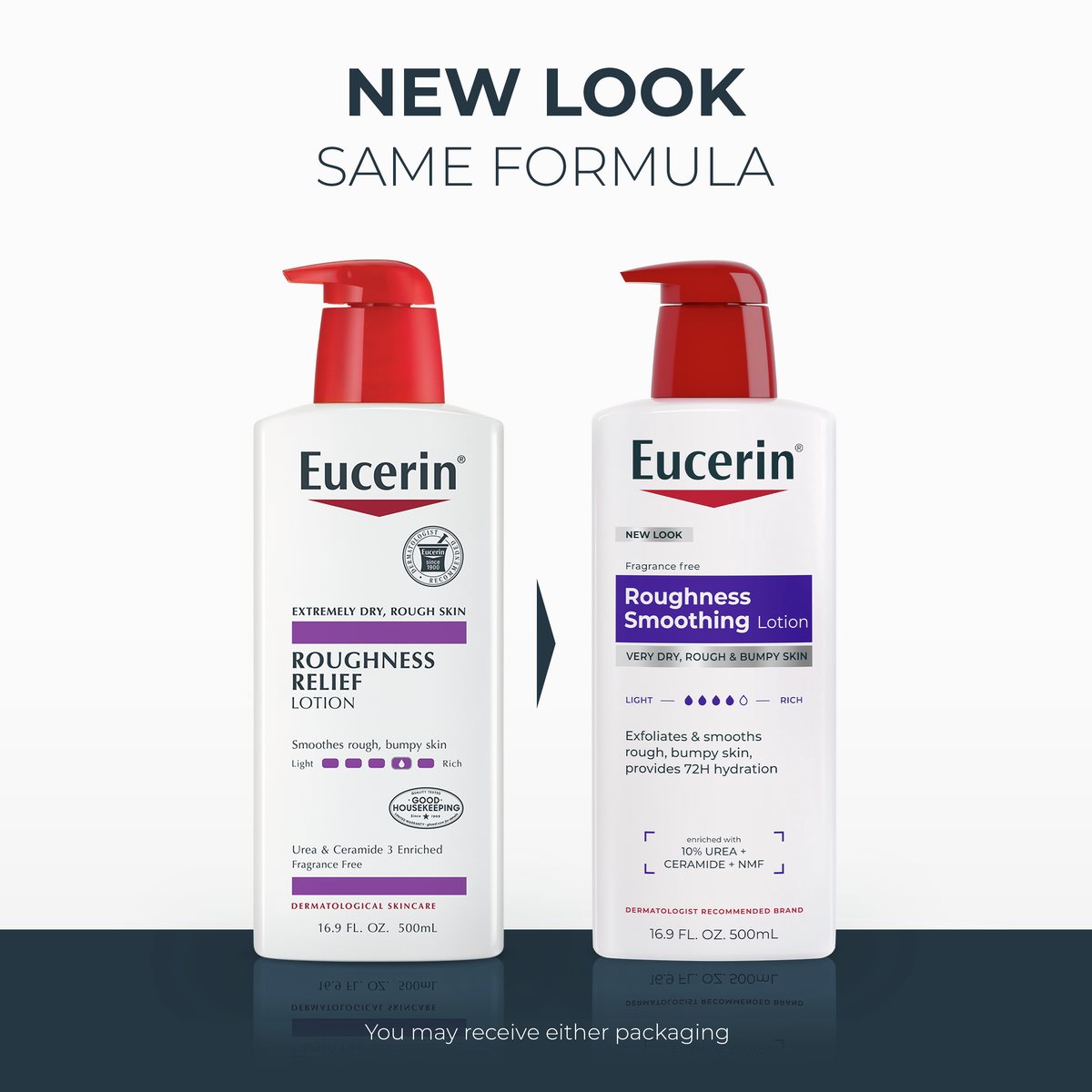
Eucerin Roughness Relief Lotion enriched with 10% Urea, Alpha Hydroxy Acid (AHA) and Ceramide-3 intensively hydrates and moisturizes dry, rough, and bumpy skin with a specialized formula that helps strengthen the skin's moisture barrier and provides 72-hour hydration. Suitable for sensitive skin, this fast-absorbing moisturizer is shown to provide a smoother, healthy-looking appearance.
What causes dry skin?
Dry skin is a common concern affecting people of all ages, often linked to lower moisture and oil levels at the skin’s surface4. External factors such as cold or dry weather, frequent hot showers, and low indoor humidity can influence how dry your skin feels10, as well as overall hydration levels and internal factors like genetics4.
Signs of dry skin
Dry skin can look and feel different from person to person11 and ranges in severity, from skin that may be a little bit dryer than normal to very dry, rough skin that may become itchy or flaky from dryness. Certain areas, like the hands, feet, elbows, and knees, are commonly prone to dryness and may require some extra care4.
Explore Eucerin’s full line of skincare products for dry skin.
Dry skin due to eczema
Eczema is a chronic, non-contagious skin disease characterized by dryness, itchiness and flakiness that goes through periods of flareups, whereas dry skin is common and generally caused by a lack of moisture in the skin12. Eczema occurs more frequently in childhood but affects many adults as well13. If you have dry skin, this doesn’t necessarily mean that you have eczema12.
If you’re concerned your dry skin may be caused by eczema, or if dryness becomes persistent or very uncomfortable, speak with a healthcare professional for further guidance.
Oily skin
Oily skin is a skin type characterized by the overproduction of sebum, the skin’s natural oil. It tends to have a shiny or greasy appearance, particularly in the T-zone (forehead, nose, and chin).
Oily skin can have large pores, give skin a shiny appearance and leave skin more prone to clogged pores14
Oily skin is common among adolescents as sebum production increases during puberty, but oily skin can affect people of all ages and can also be influenced by external factors like climate or the time of year5. Proper skincare, including cleansing and using products formulated for oily skin, can help manage oil production.
The causes of oily skin
Sebum production varies widely from person to person and reasons for this are not always clear. Here are some reasons why skin may be more oily.
- Genetics
- Climate - Studies have shown that skin produces more sebum in humid climates or during warmer months of the year5.
- Age - Sebum production changes at different times of our lives. During adolescence, sebum production increases, whereas as we age, it slows down and skin can become more dry5.
- Comedogenic cosmetics (make-up products that clog the pores)
- Overwashing or using harsh skincare products - If you scrub your face too hard or dry out skin by overwashing, the skin can overcompensate by producing more oil in response15.
How to visually identify oily skin
Oily skin often shows enlarged and visible pores, especially in the T-zone, which is the forehead, nose, and chin area. The characteristics of oily skin usually include the following:
- Enlarged, clearly visible pores
- A glossy shine
- Oily skin is prone to comedones (clogged pores), which can lead to breakouts5.
Combination skin
Combination skin consists of a mix of skin types. This means that your skin can be dry or normal in some areas but oily in others, commonly in the T-zone (nose, forehead, and chin).
Characteristics of combination skin include:
- An oily T-zone (forehead, chin and nose) with shiny skin
- Enlarged pores in this area, or pores that look larger than normal
- Clogged pores in oily areas
- Normal to dry cheeks
The causes of combination skin
The causes of combination skin can vary. Here are some of the factors that may contribute to this skin type:
- Genetics
- Natural changes in oil production as skin ages
- Environmental factors and weather
- Skincare products15
How to manage combination skin
When caring for combination skin, it can be helpful to tailor products to the needs of different areas16. Oily regions, such as the T-zone, may benefit from lightweight, non-comedogenic moisturizers and gentle cleansers that help reduce excess shine without stripping the skin.
The Eucerin Gentle Cleansing Gel is formulated to cleanse without stripping the skin of essential moisture. The gentle face wash leaves the skin feeling clean, soft, and comfortable.
In contrast, drier areas of the face often need richer, more hydrating products to help strengthen the skin barrier and maintain moisture.
A product line that would work well for drier areas is the Eucerin Immersive Hydration line. These products are clinically designed with formulas to help provide long-lasting moisture within surface layers of the skin. The product range includes moisturizers, night creams, and SPF lotions, and each product,formulated with Multi-Weight Hyaluronic Acid,helps keep the skin feeling hydrated.
Using different formulas in specific areas, rather than relying on a single product for the entire face, can help balance oiliness while still providing adequate hydration where it’s needed.
The Eucerin Gentle Cleansing Gel is formulated to cleanse without stripping the skin of essential moisture. The gentle face wash leaves the skin feeling clean, soft, and comfortable.
In contrast, drier areas of the face often need richer, more hydrating products to help strengthen the skin barrier and maintain moisture.
A product line that would work well for drier areas is the Eucerin Immersive Hydration line. These products are clinically designed with formulas to help provide long-lasting moisture within surface layers of the skin. The product range includes moisturizers, night creams, and SPF lotions, and each product,formulated with Multi-Weight Hyaluronic Acid,helps keep the skin feeling hydrated.
Using different formulas in specific areas, rather than relying on a single product for the entire face, can help balance oiliness while still providing adequate hydration where it’s needed.
Sensitive skin
Sensitive skin refers to skin may have more negative reactions to certain external factors than normal skin, such as skincare products, temperature extremes, fabric textures, laundry detergents, environmental allergens, and more7. It's also possible to have a combination of oily skin and sensitive skin or dry skin and sensitive skin.
The causes of sensitive skin
While the exact cause of sensitive skin isn’t known, theories suggest it’s due to a thin or weakened moisture barrier7. This can lead to moisture loss and increased susceptibility to environmental impact. Identifying triggers can be helpful in avoiding potentially uncomfortable skin reactions. Common triggers of sensitive skin include:
- Cleaning products containing harsh chemicals or fragrances such as fragranced laundry detergents, or soaps
- Certain cosmetic products Some skincare products such as scented lotions and cleansers
- Alcohol-containing products
- Solvents like nail polish remover
- Certain natural fabrics such as wool or man-made fibers such as polyester
- Stress
- Exposure to the sun’s harmful UV rays
- Environmental pollutants
- Extreme temperature or humidity levels
Sensitive skin can also occur naturally as our bodies age, and may also be the result of certain skin conditions. If you’re concerned that your sensitive skin may have an underlying medical cause, be sure to contact a trusted healthcare provider for further evaluation and guidance.
How do you manage sensitive skin?
If you have sensitive skin, it’s important to be gentle with your skin and choose skincare products that are appropriate for use on sensitive skin7. Look for phrases on the label like “gentle” and “fragrance-free”.
How do I find out my skin type?
Here are some simple steps to help you determine your skin type8:
- Wash your face with a gentle cleanser to remove dirt, oil, and makeup
- Pat your skin dry with a soft towel
- Do not apply any skincare products after washing
- Wait and observe for an hour. This allows your skin to return to its natural state
- Look at your skin and assess how it feels and looks (pay attention to forehead, nose, chin, and cheeks)
If your skin is unchanged compared to prior to washing, you likely have normal skin17. If you see shininess forming, you may have oily skin. If skin feels tight or rough, you may have dry skin. If skin feels uncomfortable or you notice signs of a negative reaction, you may have sensitive skin.
If you’re unsure about your skin type, we recommend speaking to a dermatologist for further advice.
Skincare tips for all skin types
Your skin type depends on factors such as how much water your skin holds18, how much oil it produces1, and how sensitive it may be7. Each skin type has its own characteristics and may benefit from different approaches to skincare, but no matter what your skin type is, there are some common skincare tips you can follow to keep your skin looking healthy:
- Use a broad-spectrum sunscreen every day, even when it's cloudy, to protect your skin from UVA and UVB rays. For oily skin type, be sure to choose an appropriate sunscreen for oily skin.
- Take other sun protection measures like avoiding direct sunlight during peak hours of the day, and wearing protective clothing like a hat and sunglasses.
- Moisturize daily
- Wash your skin gently and remove makeup before bed
- Stay hydrated by drinking plenty of water
- Don't smoke19
Eucerin has an assortment of product ranges catering to different skin types and concerns to help your skin look and feel its best.
The information provided herein is not intended to be medical advice. Nor is it intended to treat the underlying skin disease or condition. The information is provided solely to:
- Moisturize, soften and smooth dry skin
- Improve the appearance of the skin
- Achieve healthier-looking skin
Sources
- Clinic, C. What Is My Skin Type and Why Does It Matter? Cleveland Clinic. https://health.clevelandclinic.org/understanding-skin-types.
- 10 skin care secrets for healthier-looking skin. www.aad.org. https://www.aad.org/public/everyday-care/skin-care-secrets/routine/healthier-looking-skin.
- Saiwaeo, S.; Arwatchananukul, S.; Mungmai, L.; Preedalikit, W.; Aunsri, N. Human Skin Type Classification Using Image Processing and Deep Learning Approaches. Heliyon 2023, 9 (11), e21176. https://doi.org/10.1016/j.heliyon.2023.e21176.
- Clinic, C. Dry Skin (Xeroderma): Symptoms, Causes, Treatment & Prevention. Cleveland Clinic. https://my.clevelandclinic.org/health/diseases/16940-dry-skin.
- Endly, D. C.; Miller, R. A. Oily Skin: A Review of Treatment Options. The Journal of Clinical and Aesthetic Dermatology 2017, 10 (8), 49.
- Duarte, I.; Silveira, J. E. P. S.; Hafner, M. de F. S.; Toyota, R.; Pedroso, D. M. M. Sensitive Skin: Review of an Ascending Concept. Anais Brasileiros de Dermatologia 2017, 92 (4), 521–525. https://doi.org/10.1590/abd1806-4841.201756111.
- Sensitive Skin: What It Is, Symptoms, Causes & Treatment. Cleveland Clinic. https://my.clevelandclinic.org/health/diseases/sensitive-skin.
- Chesak, J. The No BS Guide to Discovering Your Real Skin Type. Healthline. https://www.healthline.com/health/beauty-skin-care/skin-type-test.
- National Institute on Aging. Skin Care and Aging. Skin Care and Aging. https://www.nia.nih.gov/health/skin-care/skin-care-and-aging.
- Moore, K. What Causes Dry Skin and How to Treat It. Healthline. https://www.healthline.com/health/dry-skin#lifestyle-remedies.
- Mayo Clinic. Dry skin - symptoms and causes. Mayo Clinic. https://www.mayoclinic.org/diseases-conditions/dry-skin/symptoms-causes/syc-20353885.
- Lockett, E. Do I Just Have Dry Skin? Or Is It Eczema? Healthline. https://www.healthline.com/health/eczema/dry-skin-vs-eczema.
- Eczema (Atopic Dermatitis) | NIH: National Institute of Allergy and Infectious Diseases. Nih.gov. https://www.niaid.nih.gov/diseases-conditions/eczema-atopic-dermatitis.
- What can treat large facial pores? www.aad.org. https://www.aad.org/public/everyday-care/skin-care-secrets/face/treat-large-pores.
- Cherney, K. What Are the Causes of Oily Skin? Healthline. https://www.healthline.com/health/oily-skin-causes.
- Combination Skin? Here’s How to Identify and Create the Right Routine. Healthline. https://www.healthline.com/health/beauty-skin-care/combination-skin.
- Stokes, V. Normal Skin? Here’s the Ultimate Dream Routine to Care for Your Complexion. Healthline. https://www.healthline.com/health/beauty-skincare/the-ultimate-skin-care-routine-for-normal-skin.
- Rodrigues, L.; Palma, L.; Tavares Marques, L.; Bujan Varela, J. Dietary Water Affects Human Skin Hydration and Biomechanics. Clinical, Cosmetic and Investigational Dermatology 2015, 8 (8), 413. https://doi.org/10.2147/ccid.s86822.
- Clinic, C. Top 10 Skin Care Tips From a Dermatologist. Cleveland Clinic. https://health.clevelandclinic.org/skin-care-tips


Our brand values

Pioneers in skincare
We deliver a holistic approach to help keep your skin healthy-looking and radiant.

Committed to innovation
For over 100 years, we have dedicated ourselves to researching and innovating in the field of skin science. We believe in creating active ingredients and soothing formulas with high tolerability that work to help you live your life better each day.

Recommended by dermatologists
We work together with leading dermatologist and pharmacist partners around the world to create innovative and effective skincare products they can trust and recommend.