Blonde woman smiling

Dry Brushing – What is it and What are the Benefits?

Show more

Dry brushing is a popular Ayurvedic self-care practice that involves using a brush with natural fiber bristles to exfoliate the skin1. Also known as gharshana, this traditional Ayurvedic technique has been around for centuries, and while modern research on the full range of benefits of dry brushing is still ongoing, it has shown potential to help remove dead skin buildup for softer, smoother skin1.

Read on to learn more about what dry brushing is, how to properly dry brush, and how to care for your skin after dry brushing with Eucerin®.

What is dry brushing?

Dry brushing is a relaxing self-care technique that involves rubbing a stiff, natural-bristled brush on the body in specific patterns to exfoliate the skin while it is dry, typically before showering. The process includes gently brushing the skin in wide, circular motions, often starting from the feet and working upwards towards the heart1.

What does dry brushing do?

Dry brushing offers two main benefits – it provides a source of relaxation during a self-care routine, and it can help to exfoliate the skin by brushing away dead skin buildup.

Dry brushing can be an enjoyable practice for those whose skin can tolerate it.

Possible benefits of dry brushing

Exfoliation

The main benefit of dry brushing is exfoliation. Dry brushing helps with exfoliation by physically removing dead skin cells from the surface of your skin. The brush's firm, natural bristles gently slough off dead skin on the surface, revealing fresher, smoother skin beneath. This process helps to improve skin texture, unclog pores, and help skin to be in a better condition for receiving nourishing skincare products applied to it1. For those who deal with rough patches or uneven skin tone, regular dry brushing can help to even out the skin’s texture.

Relaxation

Dry brushing can be a pleasant and relaxing experience, particularly when incorporated into a soothing self-care routine. Some experts believe it has the effect of stimulating the nervous system, similar to a massage, leaving you feeling soothed and invigorated afterward2.

Providing a gentler exfoliation experience than scrubbing in the shower

Using harsh scrubs or rough manual exfoliants in the shower can sometimes do more harm than good, as prolonged exposure to hot water and harsh scrubbing can both strip oils from the skin and compromise the skin’s moisture barrier, leading to dry skin3. With dry brushing, you avoid the potentially drying effects of hot water exposure.

How to dry brush

Here is a step by step guide to dry brushing.

1. Find the right dry brush for you.

When choosing a dry brush, look for a body brush with natural fiber bristles derived from animal hairs or plant fiber. Use a brush with a long handle to help you reach all areas of your body1.

2. Work your way up from your feet.

Start at your feet and brush your skin upwards in wide, circular, clockwise motions, moving from your feet to your legs, then to your trunk, and finally your arms, brushing upward toward your armpits.

3. Vary the pressure to suit the thickness of your skin in different areas of the body.

For example, you may wish to use deeper pressure on the soles of your feet, and lighter pressure on the insides of your arms. Use enough pressure for it to feel like a soothing massage, but not enough to ever feel painful.

4. Do not dry brush your face unless you have a special facial dry brush specifically designed for facial use.

Skin on the face is more delicate and requires special care. If you’d like to exfoliate your face and are not using a facial dry brush, choose a gentle exfoliating cleanser appropriate for your skin type.

5. Rinse.

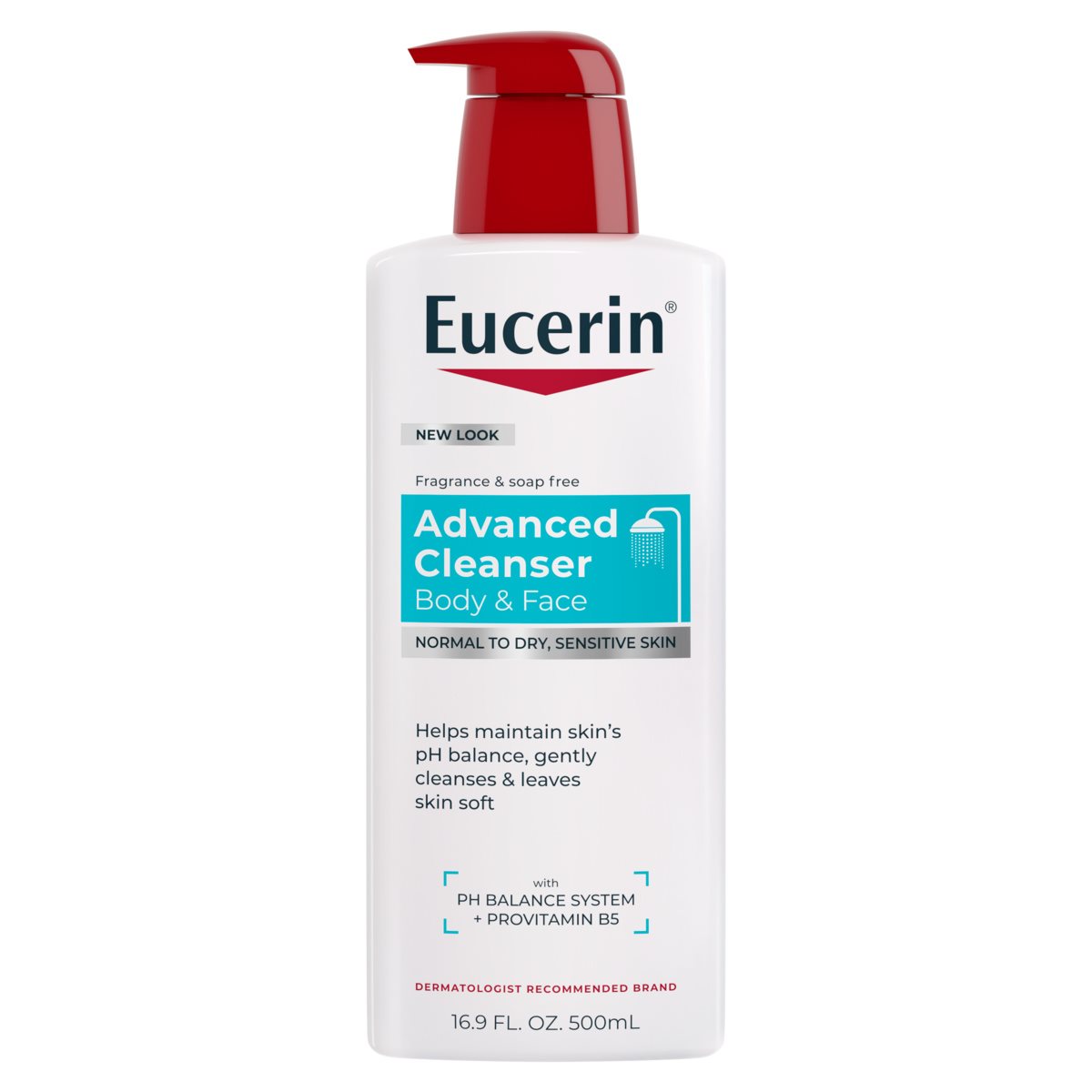
After dry brushing all areas of the body you’d like to brush, gently cleanse and rinse the exfoliated dead skin off with a cool shower. Eucerin® Advanced Cleansing Body and Face Wash offers an extra-mild, gentle cleansing formula that helps preserve skin’s natural pH. For normal-to-dry sensitive skin, this 2-in-1 cleanser for both face and body is noncomedogenic, fragrance-free, and dye-free, and rinses clean without any residue.

6. Moisturize

Caring for skin after dry brushing is an important part of your skincare routine to help avoid dry skin and keep skin moisturized and looking smooth and healthy. See tips for post-dry brush skincare below.

When not to dry brush

While dry brushing can be a relaxing practice, there are certain scenarios where dry brushing is not recommended:

1. Do not dry brush broken skin.

If your skin shows any signs of rashes, cuts, poison ivy/poison oak, sunburn, or other irritation, do not dry brush that area1.

2. Do not dry brush on skin experiencing an eczema flare-up.

Since dry brushing exfoliates the skin and can potentially disrupt the skin’s moisture barrier if done too vigorously, it’s best to avoid dry brushing if you have eczema-prone skin. Dermatologists at the National Eczema Association recommend if you do wish to try it, that you try it on non-eczema skin first4.

3. Use caution when dry brushing on sensitive skin.

One of the prerequisites of dry brushing is to use a brush with firm bristles that can effectively exfoliate the skin. For those with sensitive skin, this may be too harsh. You may wish to try a similar technique with a washcloth or more gentle brush to see if you’re able to still reap the exfoliation benefits without irritating your skin2.

Caring for skin after dry brushing

After you’ve exfoliated your skin by dry brushing, rinsed off in a cool shower with a gentle cleanser, and patted your skin dry with a clean towel, it’s time to help add moisture to the freshly exposed skin with a nourishing moisturizer. This will help hydrate skin and keep your skin feeling soft and smooth.

How to moisturize after dry brushing.

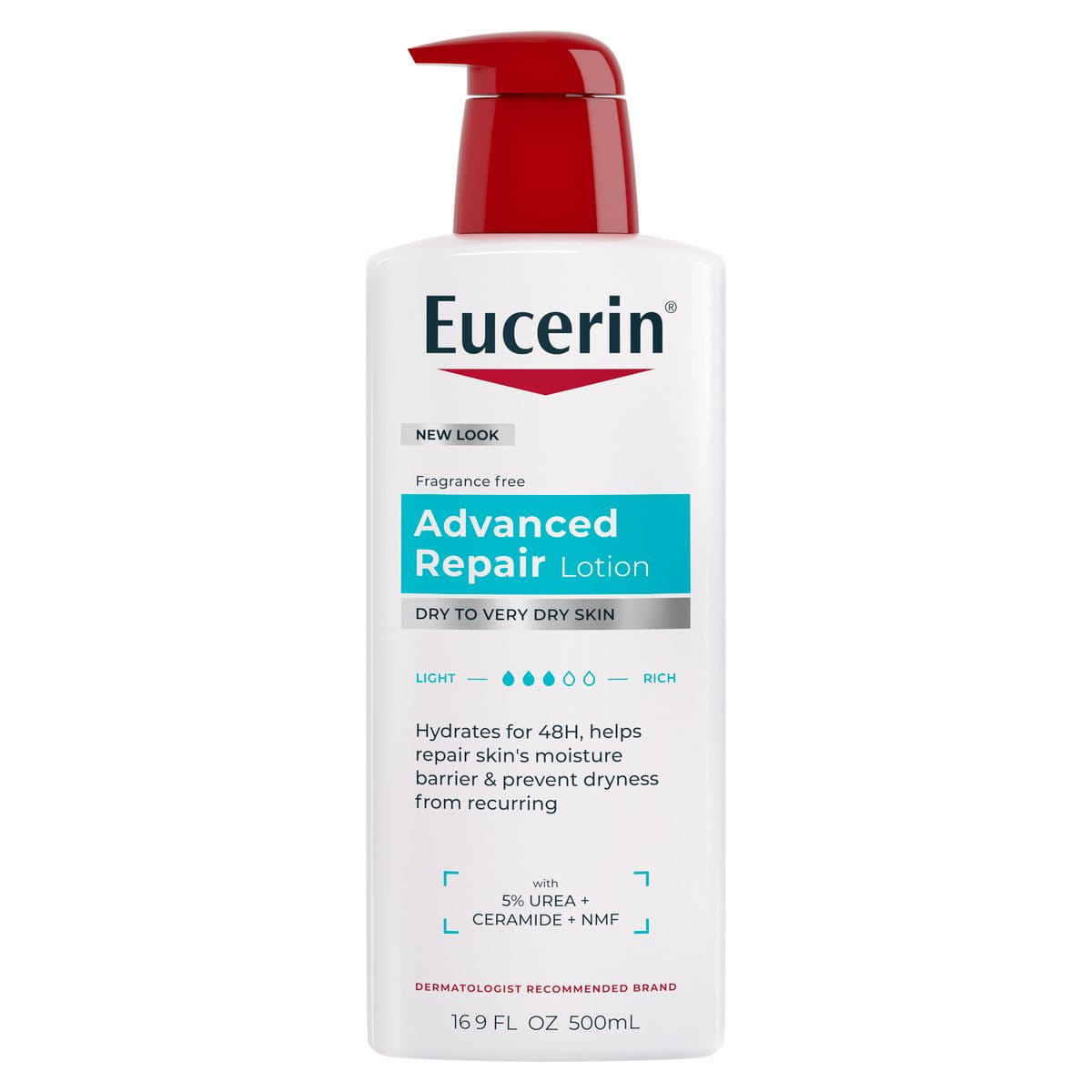
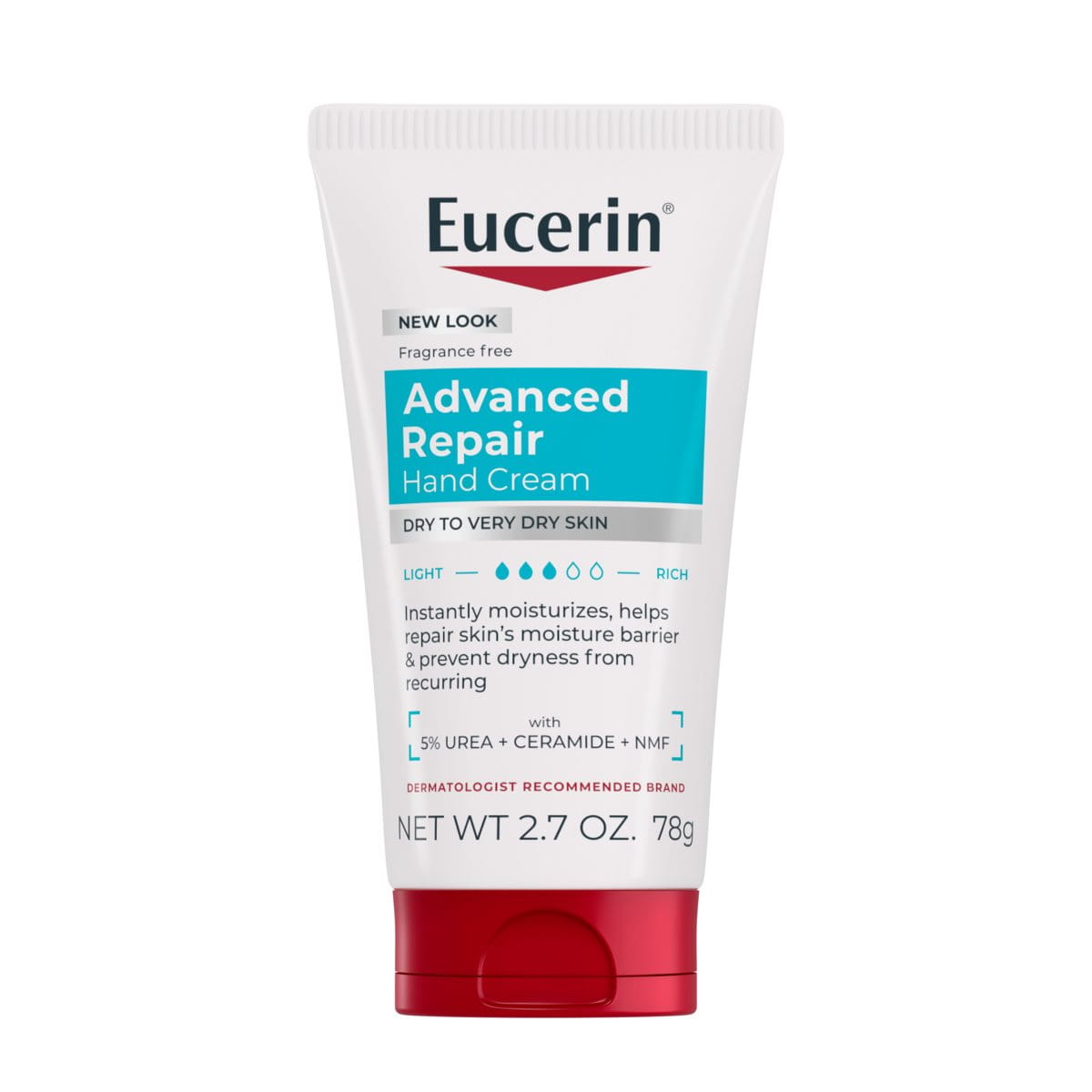
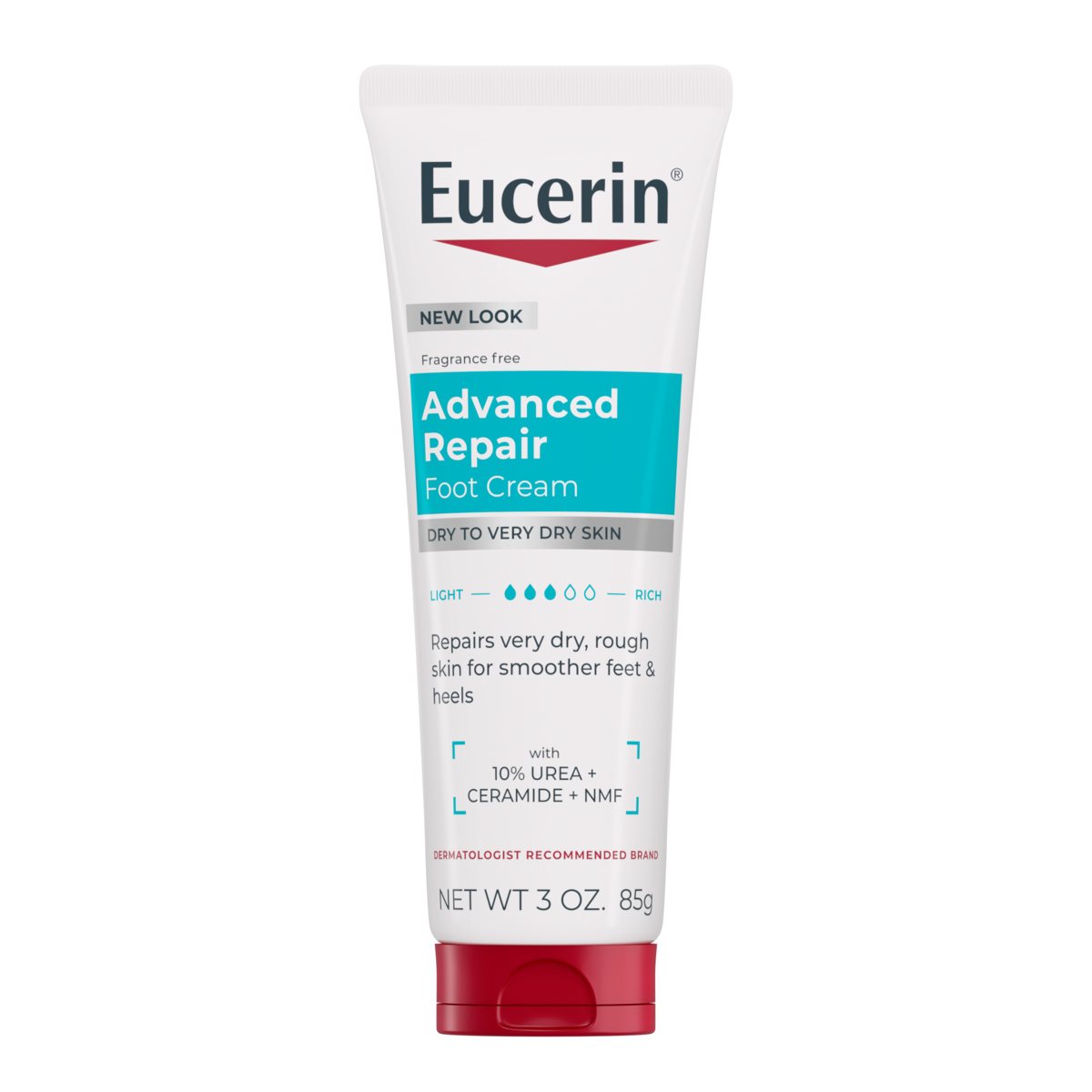
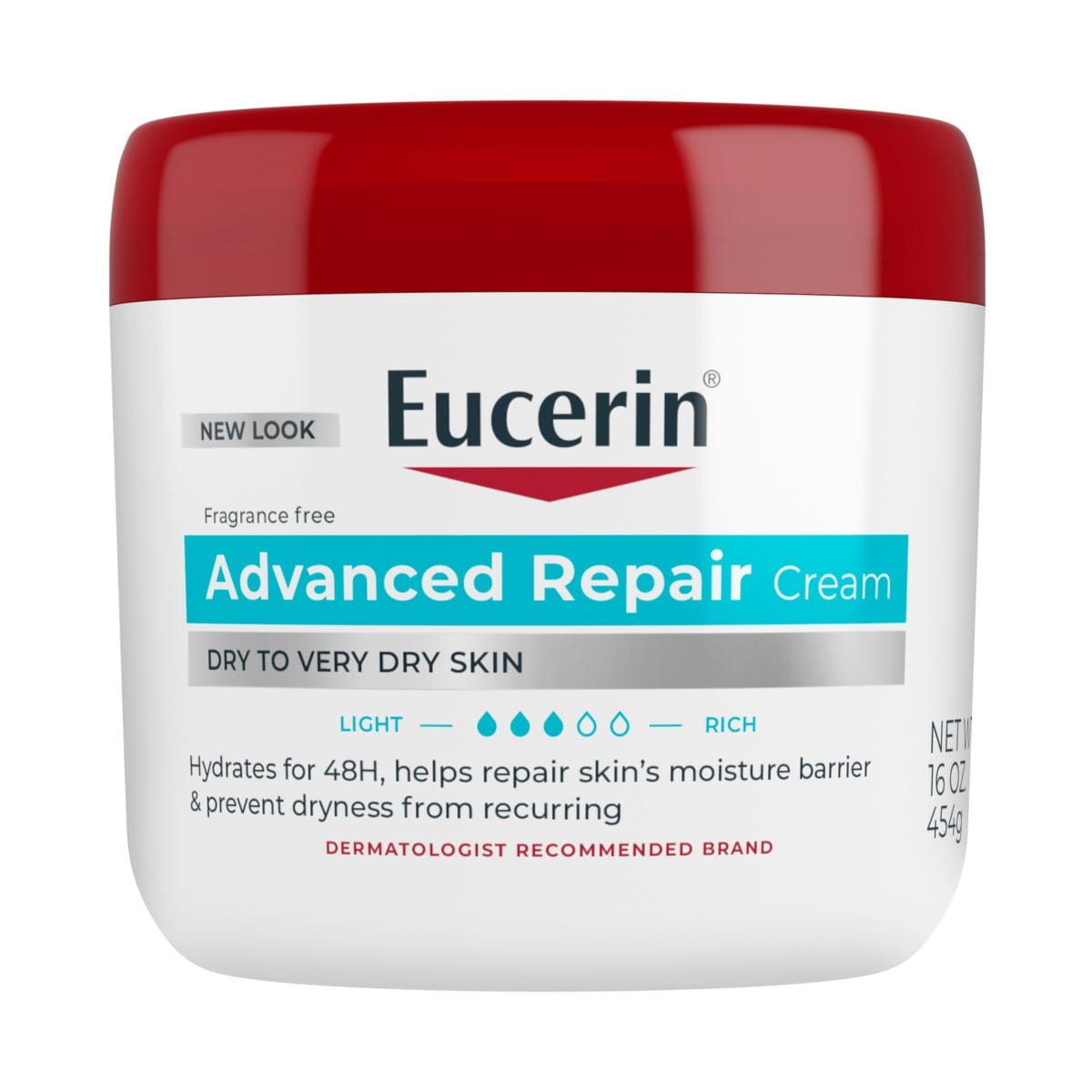
To help retain moisture in your newly exfoliated skin and help prevent dry skin buildup, look for a moisturizing lotion specially formulated for dry skin. Eucerin® Advanced Repair Lotion repairs very dry skin with a formula that provides immediate and lasting hydration for up to 48 hours. Enriched with Ceramide-3, it helps strengthen skin's moisture barrier, and with 5 NMF (a combination of moisturizing ingredients like those found in the skin), it replenishes moisture and helps prevent dryness from reoccurring. Lightweight and fast-absorbing, this body lotion is suitable for everyday use and won’t clog pores.

To use, smooth over your body daily, particularly after showering, and always after showering after dry brushing.

Caution: Keep out of reach of children. For external use only. Avoid contact with eyes. Discontinue use if irritation occurs. Sunburn Alert: This product contains Alpha Hydroxy Acid (AHA), which may increase skin's sensitivity to the sun and, particularly, the possibility of sunburn. Use a sunscreen, wear protective clothing, and limit sun exposure while using this product and for a week afterward.

When should you dry brush?

Always dry brush right before you shower or bathe. This allows you to rinse any loosened dead skin off and puts your skin in good condition for moisturizing afterward.

If you have dry brushed before your shower, you shouldn’t further exfoliate in the shower with a loofah or body scrub as doing so can irritate your skin.

How often should you dry brush?

How often you dry brush depends on your skin's needs. Some people with more sensitive skin may dry brush as little as once a week whereas those with normal skin may brush more frequently or even daily. The key is to not use too much pressure when dry brushing, and to stop at the first sign of any discomfort or irritation.

Dry brushing FAQs (3)

  • Who shouldn’t dry brush?

    Those with inflamed skin or any areas of flared up skin due to conditions like eczema and psoriasis, for example, should avoid dry brushing as the skin is already delicate. You should also avoid dry brushing over broken skin and open wounds, as doing so could introduce bacteria into the wound.
  • Should you clean your dry brush?

    Apart from cleaning your body, you should also clean your dry brush as over time, it will collect dead skin build-up and bacteria. To do so, lather a gentle soap on the brush bristles and rinse them under a running tap. Try not to get water on the wood of the brush, as over time, it can cause the wood to split. To dry your brush, just hang it in a dry environment or place it on a clean surface, bristle-side down.
  • How long does it take to see the effects of dry brushing?

    The effects of dry brushing can be noticed quite quickly. Immediately after the first use, many people experience softer, smoother skin due to the exfoliation of dead skin.

Related Product

Related Articles

Sources:

  1. GORDON, R. Dry Brushing: Benefits, Risks, and More. Healthline. https://www.healthline.com/health/dry-brushing.
  2. The Truth About Dry Brushing and What It Does for You. Cleveland Clinic. https://health.clevelandclinic.org/the-truth-about-dry-brushing-and-what-it-does-for-you.
  3. Herrero-Fernandez, M.; Montero-Vilchez, T.; Diaz-Calvillo, P.; Romera-Vilchez, M.; Buendia-Eisman, A.; Arias-Santiago, S. Impact of Water Exposure and Temperature Changes on Skin Barrier Function. Journal of Clinical Medicine 2022, 11 (2), 298. https://doi.org/10.3390/jcm11020298.
  4. Hewett, L. Will This Make Me Flare? 9 Self-Care Tools and Trends Reviewed by a Dermatologist. National Eczema Association. https://nationaleczema.org/blog/will-this-make-me-flare-9-self-care-tools-and-trends-reviewed-by-a-dermatologist/.

The information provided herein is not intended to be medical advice. Nor is it intended to treat the underlying skin disease or condition. The information is provided solely to:

  1. Moisturize, soften and smooth dry skin.
  2. Improve the appearance of the skin.
  3. Achieve healthier-looking skin.

Find a Retailer